

NAN, COO release documentary highlighting serious infrastructure problems impacting airports in remote First Nations
Tim Brody - Editor
Nishnawbe Aski Nation (NAN) and Chiefs of Ontario (COO) have published a new documentary called “Holding Pattern”, which they say highlighting the serious infrastructure problems impacting airports in remote First Nations.
“These infrastructure gaps affect First Nations’ access to medical care, essential supplies and emergency response—they have even cost lives. For remote First Nations in northern Ontario, aviation is the primary connection to essential services and the outside world. It is vital infrastructure,” an Oct. 28 news release issued by NAN and COO states.
The news release goes on to state, “Out of the 29 remote northern airports owned and operated by the province, 27 directly serve First Nations, supporting medevac flights, food and supply deliveries, emergency evacuations, healthcare access and daily community life. When this infrastructure fails, the consequences are life threatening.”
The documentary, developed jointly by NAN and COO, features First Nations leaders, community members, aviation experts and medical professionals, “explores what reliable air access means to their communities and how inadequate infrastructure affects daily life.”
NAN’s 2025 high-level needs assessment estimated that addressing infrastructure gaps at Ontario’s 29 remote airports costs between $1.2 and $1.5 billion. NAN says required improvements include, “runway extensions and recertification, navigational aids, lighting, weather monitoring systems and terminal facilities, alongside adequate staffing and training to meet service needs.”
NAN and COO state in their news release, “The cost of inaction is staggering. Among them are the loss of human life, adverse medical incidents and missed medical appointments resulting from planes being unable to land. Shorter runways mean large freight planes cannot go to First Nations, significantly increasing the costs of everything from food and medicine to building materials and fuel. Airline operators are unable to upgrade their planes because of runway conditions, meaning older, less fuel-efficient planes—some from the 1980s—are still used to ferry passengers to the north.”
NAN and COO are calling on Canada and Ontario to make the following five commitments to address the remote aviation infrastructure crisis:
1. Commit immediate and long-term infrastructure funding. Establish a short-term, targeted, investments alongside dedicated, multi-year funding streams that account for the current and future needs of First Nations. Funding must support rehabilitation, maintenance, and operation of remote airports, including runways, lighting, navigational aids, and related infrastructure.
2. Develop a phased infrastructure improvement plan. Work jointly with First Nations to develop a phased infrastructure plan informed by NAN’s 2025 Aviation Needs Assessment, with clear federal and provincial commitments to address immediate safety priorities and longer-term capital requirements.
3. Conduct an immediate safety audit. Call for an immediate safety audit of the 27 Ministry of Transportation of Ontario (MTO)-owned remote airports serving First Nations, assessing their infrastructure and safety conditions against service standards at comparable regional and local airports across Ontario.
4. Establish an ongoing multilateral table. Bring together First Nations, First Nations organizations, federal and provincial governments, and regional air carriers to co-develop aviation subsidy models, clarify federal and provincial responsibilities for capital investments, operations, maintenance, and address other service priorities. This work must be supported by a publicly available implementation plan, clear milestones, and regular reporting to affected First Nations
5. Invest in First Nations employment and local capacity. Provide dedicated funding for training, certification, and appropriately compensated employment opportunities For First Nations community members in aviation-related roles, including airport operations, maintenance, and emergency response.
NAN Grand Chief Alvin Fiddler stated in the news release, “Our people depend on these airports to get to medical appointments, bring food and supplies into their communities, and evacuate safely during emergencies. When aircrafts cannot land, the consequences can be life threatening. Our Chiefs have called for action, and our communities have identified what they need. Canada and Ontario must commit the funding to get this work done.”
COO Ontario Regional Chief Abram Benedict states in the news release, “Imagine waiting with a loved one who is suffering from a heart attack or stroke. Now imagine that help isn’t coming, and won’t be, for hours or days. Imagine a sick child that needs a CT or MRI scan for diagnosis, but being unable to get to one for weeks. This is the reality First Nations in the remote north face. We can and will do better.
“These airports are not something you would expect to find in Canada. I can’t think of anywhere else in the country where airports are run by one full-time staff member and a few part-time helpers. And they are literally lifelines for the more than 20,000 people that call Ontario’s remote north home.
“While the federal and provincial governments focus on the resources of the north, nearly all aspects of life flow through these airports. Regulators, legislators, and industry and medical experts need to come to the table with First Nations to fix this problem. We can’t lose another life unnecessarily because we refuse to improve our critical infrastructure.”
On Oct. 30, NDP Deputy Leader Sol Mamakwa (Kiiwetinoong) issued the following statement, “On Wednesday, October 28, the Chiefs of Ontario and Nishnawbe Aski Nation released a documentary that shines a light on the ongoing infrastructure gaps at northern airports that prevent the people of Kiiwetinoong from accessing to medical care, essential supplies and emergency response.
“Nishnawbe Aski Nation’s 2025 high-level needs assessment estimates that addressing infrastructure gaps at Ontario’s 29 northern airports will cost $1.5 billion. Required improvements include runway extensions and recertification, navigational aids, lighting, weather monitoring systems and terminal facilities, alongside adequate staffing and training to meet service needs.
“The real cost of Ontario’s ongoing inaction is the lives lost through adverse medial incidents and delayed medical treatments. Once again, I am asking Ontario to listen to the voices of experts in the north and commit to immediate and long-term infrastructure funding and improvements to these essential airports.”
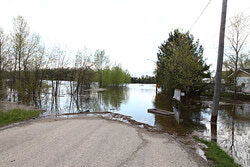
Through funding from Hydro One's Community Partnership Grant, the Municipality of Sioux Lookout is strengthening its flood response capabilities...