

First Nations Families for First Nations Children
Recognizing the pieces we appreciate of our Foster Parents; from Tikinagan to children and youth in care
Tikinagan Child and Family Services - Special to The Bulletin
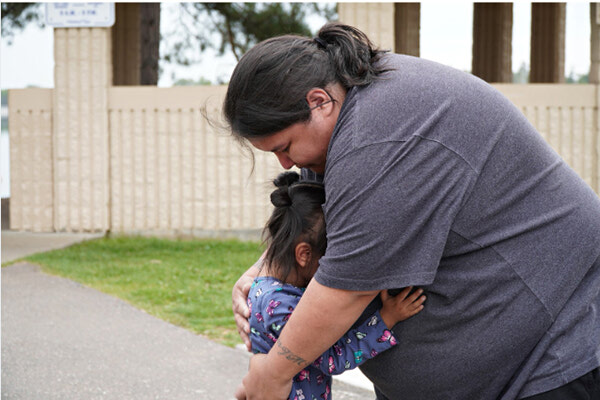
Youth in care do not choose their circumstances, so it’s up to Foster Parents to choose—every single day—to open their hearts and homes. Foster Parents provide a safe and caring environment and make sure children can freely express themselves and be who they are with mental, emotional, and cultural supports.
Thanks to the commitment of more than 200 Tikinagan Foster Parents across Northwestern Ontario, more children stay closer to home and remain connected to their families, culture, and community. Today, 74% of children and youth in the care of Tikinagan are placed with First Nation Foster Families. Tikinagan is especially grateful to the Foster Parents residing in smaller communities; nearly half of the children in care are placed in their First Nation and in the same community as their family despite some of the hardships Foster Parents face such as limited resources, grocery prices, and housing.
“It is important to provide our children with stability in what can be an uncertain time, including going to the same school, seeing friends, and staying in the places they know,” says Gail Anderson, Director of Services. “That is why we believe these answers lie within the community, where we focus our efforts on keeping children in their community and maintain their connections to family. This is all made possible by our amazing Foster Parents.”
This March, Tikinagan is saying “miigwech” to all its Foster Parents for their dedication to the children and youth who walk through their door – whether they offer emergency placements for a few days, provide long-term care until reunification is possible, or work directly in one of Tikinagan’s agency-operated homes.
“I just love children,” says one of our Live-In Foster Parents working in an agency-operated home based in Lac Seul, “even on my days off I will visit the live-in home just to be with them.”
Caring for children through 7-day, 15-day or 30-day rotations, Live-In Foster Parents offer an alternative way to provide a safe and nurturing environment for children in a Tikinagan-owned home. Staying in one of seven agency-operated homes, Live-In Foster Parents play a key role in making a child feel comfortable, cared for, and accepted.
“The comfort of home can be provided in many meaningful ways: speaking in the language, preparing traditional meals like moose or pickerel, or involving youth in cultural and land-based activities,” explains Anderson.
At the heart of this work is Mamow Obiki-ahwahsoowin - Tikinagan’s service model; In Ojibway/Oji-Cree, it means “everyone working together to raise our children.” This approach reflects the traditional ways in which First Nations protect and care for children and support families.
“Our Foster Parents embody the true spirit of Mamow Obiki-ahwahsoowin,” says Anderson. “We are deeply grateful for their role in helping our children.”

Sioux Lookout musher Jesse Terry is about to compete in the biggest race of his dogsledding career, the Iditarod...